Home > Blog > Spotlight On YAFies: Louud
Spotlight On YAFies: Louud
Posted on 1/02/2025, BY HKYAF
Subscribe to our Blog Via Email
Enter your email address to follow this blog and receive notification of new posts by email...
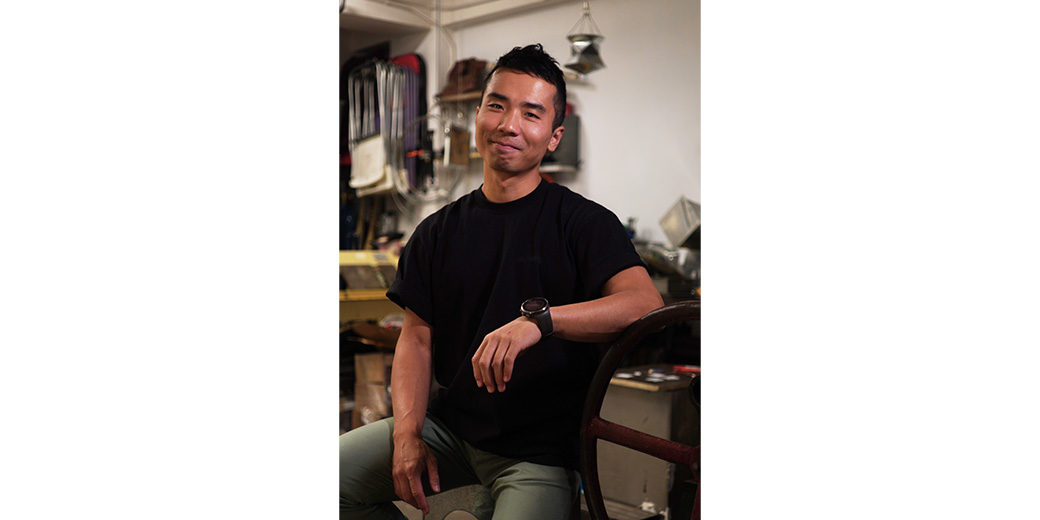
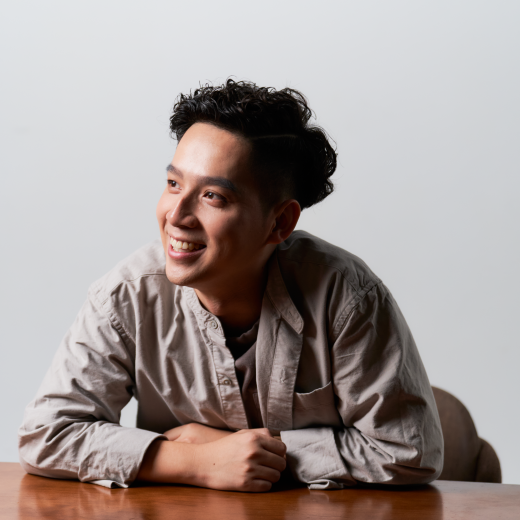
Louud
Galvanised iron artist
How did you become a galvanised iron artist?
In the past, galvanised iron products could be seen everywhere in Hong Kong, it was part of our local history and community. In my family home, for instance, the tabletop was made of galvanised iron. Whenever we set up the table, it meant that relatives and friends were coming for a feast. In recent years, these products have become less common. Young people may not even be familiar with the craft. It's sad to see a craft that once represented our culture gradually fading away.
Since I was young, I’ve been curious about how things are made. I had the privilege to learn from Michael Yu Kwok-keung, an experienced Hong Kong galvanised iron craftsman, who introduced me to the versatility of this material. I hope to use my background in industrial design to bring this craft back into people’s lives through innovative product designs and artistic installations.
What are the characteristics of galvanised iron as a crafting material?
In Hong Kong, galvanised iron work typically involves folding and interlocking sheets of galvanised iron or stainless steel. What’s remarkable is that, using a combination of interlocking methods, you can put together a whole range of products without using glue, nails or welding. Galvanised iron is a unique material as well – its zinc coat helps prevent rust and gives it a shiny appearance.


What’s the biggest challenge of using galvanised iron as a creative medium?
The biggest challenge is constructing a 2D paper pattern. The craft involves intricate folding and interlocking, so the pattern has to account for the joining edges to make sure they fit together seamlessly. The designer needs to have a thorough understanding of interlocking methods and a good sense of geometry to break 3D products down into workable 2D paper patterns.

What was your most unforgettable experience working alongside individuals with disabilities?
When you’re crafting with galvanised iron you use a lot of tools. But the effectiveness of these tools depends on your physical strength and ability to control them. I remember one wheelchair user in one of my workshops. Initially, I assigned the more physically demanding tasks to the able-bodied students in group because forging and hammering iron is easier to do if you’re standing up. But the wheelchair user insisted on crafting their own design from start to finish, and refused to leave until the work was done. Their determination surprised me. I’m not sure I could have accomplished the task sitting down.
What unexpected experiences has collaborating with individuals with disabilities brought you?
Over the past years, I’ve led galvanised iron workshops at various institutions and schools. The craft requires physical strength and an ability to think in 3D, so when I first learned that The Hong Kong Jockey Club Community Project Grant: stART Up Community Arts Project workshop included participants with physical disabilities, I was a bit apprehensive. But it was really inspiring to see that they didn’t let their physical limitations restrict their ideas. A lot of their work surpassed my expectations, reminding me to think outside the box and not confine my imagination to past experiences.
How do you think art connects people with different physical abilities?
Art is a medium for self-expression that allows co-creators to communicate beyond their backgrounds or physical abilities. This idea was reflected in The Interspace workshop, where individuals with different physical abilities and backgrounds came together and created unique galvanised iron house models through communication and teamwork.

What message do you hope to share with the audience through The Interspace? What details would you like the audience to pay special attention to?
I hope to showcase the connections that were made between people of different generations and backgrounds. The space within walls and houses nurtures relationships and symbolises a sense of community.
Participants worked in intergenerational pairs to envision their dream homes, creating blueprints by bending iron wires into different shapes. They then constructed model houses by connecting galvanised iron sheets in a design-by-doing approach that engaged them in discussion throughout the crafting process.
Another highlight is the unique hammered patterns on each model house. These represent the co-creators’ personal thoughts about "home", and make each piece a testament to their individual stories and shared experiences.
Who is your favourite artist?
Japanese product and furniture designer Naoto Fukasawa.
See YAF blog
1/08/2025
Spotlight On YAFies: Zoe Wong
1/10/2024
Spotlight On YAFies: Lola Clavel and Stephanie McNicol
1/06/2023
Spotlight On YAFies: Molly Wong
1/05/2023
Spotlight On YAFies: Karen Pow
1/04/2023
Audition Tips for Actors
1/04/2023
Auditions Tips for Dancers
1/03/2023
Spotlight on YAFies: Chao Harn-kae
1/02/2023
Spotlight on YAFies: Kessay Chan
15/12/2022
Spotlight on YAFies: Wendy Tsang
1/12/2022
Spotlight on YAFies: Christopher Chung
Comments